How Long Does Pre-Construction Termite Treatment Last
Skipping pre-construction termite treatment is one of the most costly mistakes a homeowner or builder can make. By the time termites are discovered inside a finished structure, the damage is already done — and repairs can run into thousands of dollars. Pre-construction termite treatment is a preventive chemical or physical barrier applied to the soil and structure before building construction is completed. So, how long does pre-construction termite treatment last? The answer depends on several factors, including treatment type, climate, and installation quality. This guide covers everything you need to know — from treatment lifespan and types to warning signs and prevention tips.
What Is Pre-Construction Termite Treatment?
Pre-construction termite treatment is a preventive pest control method applied to the soil, foundation, and structural wood before a building is fully constructed. It is typically carried out before the concrete slab is poured or during the framing stage, creating a chemical or physical barrier that blocks termites from entering the structure. Unlike post-construction treatments, pre-construction treatment reaches areas that become completely inaccessible once the building is complete. This makes it the most recommended and cost-effective termite prevention method available — stopping an infestation before it ever has a chance to begin.
How long is Pre Construction Termite Treatment Effective
Quick Answer
Pre-construction termite treatment typically lasts 5 to 10+ years, depending on the type of treatment used, soil conditions, climate, and quality of installation. Chemical soil barriers generally need renewal after 5 to 10 years, while physical barriers can last several decades with little to no maintenance required.
Treatment Lifespan Comparison
Treatment Type | Average Lifespan |
Chemical Soil Barrier | 5 – 10 years |
Physical Barrier | 20 – 50 years |
Borate Wood Treatment | Lifetime of wood |
Bait/Monitoring Systems | Ongoing (annual renewal) |
No single treatment offers permanent, zero-maintenance protection. Regular inspections and timely renewals are essential to keep your home fully protected against termite activity over the long term.
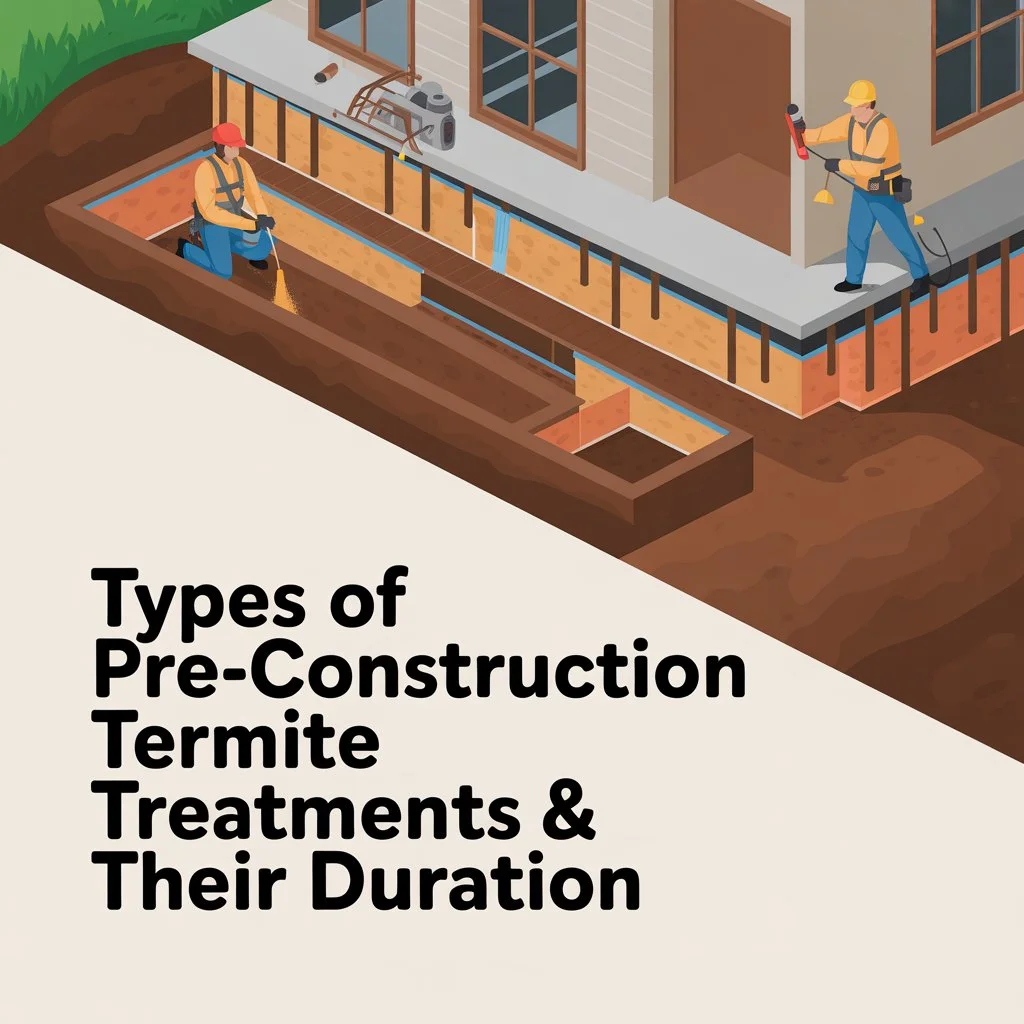
Types of Pre-Construction Termite Treatments & Their Duration
Chemical Barriers (Liquid Termiticide)
Chemical soil barriers work by applying liquid termiticide directly into the soil surrounding and beneath the foundation. The chemical creates a continuous treated zone that kills or repels termites before they reach the structure. Products like Termidor (fipronil) and Premise (imidacloprid) are among the most widely used and trusted termiticides in the industry. With proper professional application, chemical barriers typically last 5 to 10 years before retreatment is needed.
Physical Barriers
Physical barriers require no chemicals whatsoever. Instead, materials like stainless steel mesh or granite particle barriers are installed around the foundation and under the slab during construction. These create an impenetrable layer that termites physically cannot pass through or chew. Physical barriers are extremely durable, with a lifespan ranging from 20 to 50 years, making them a long-term and environmentally friendly option.
Borate Wood Treatment
Borate treatment is applied directly to structural timber during the framing stage of construction. The solution penetrates deep into the wood fibers, making the wood toxic to termites permanently for the lifetime of the treated wood. While highly effective, borate treatment works best when combined with chemical or physical barriers for complete protection coverage.
Termite Bait & Monitoring Systems
Bait and monitoring systems involve placing bait stations around the perimeter of the structure to intercept termite activity before it reaches the building. Unlike other methods, this is an ongoing monitoring approach rather than a one-time treatment. Stations require annual servicing and inspection by a licensed pest control professional, making this method best used as a supplementary layer alongside primary treatment methods.
Key Factors That Affect How Long Treatment Lasts

Soil Type and Condition
The type of soil surrounding your foundation plays a significant role in how long chemical barriers remain effective. Porous or sandy soils allow termiticides to break down and dissipate much faster than dense clay soils. In highly porous soil conditions, a treatment that normally lasts 10 years may lose its effectiveness considerably sooner, making soil assessment an important step before application.
Climate and Rainfall
Heavy rainfall and high humidity are two of the biggest natural enemies of chemical termite barriers. Excess moisture accelerates the breakdown of termiticides in the soil, significantly reducing their lifespan. Regions with high termite pressure, such as the Southeast United States, Florida, and tropical climates, experience faster treatment degradation and typically require more frequent inspections and earlier retreatment.
Professional Installation
The difference between a certified pest control applicator and a DIY application can mean years of lost protection. Licensed professionals know the correct application rates, soil penetration depths, and coverage areas required to create a complete and effective barrier. An improperly applied treatment leaves gaps that termites can easily exploit, regardless of how good the product itself is.
Building Practices
Certain construction choices directly impact treatment longevity. Wood-to-soil contact is one of the most common mistakes in new construction, giving termites a direct pathway into the structure that bypasses the chemical barrier entirely. Additionally, homes built with crawl spaces are generally more vulnerable than those built on concrete slabs, as crawl spaces create moisture-rich environments that attract subterranean termites.
Human Disturbance
One of the most overlooked factors is post-construction human activity. Plumbing repairs, landscaping projects, and home renovations can all physically disrupt the chemical barrier in the soil without the homeowner even realizing it. Once the barrier is broken, termites have a clear entry point into the structure. Any significant digging or ground disturbance near the foundation should be followed by a professional inspection.
New Treatment Formulations
Not all termiticides are created equal. Modern treatment formulations, such as non-repellent termiticides, have significantly improved in durability and effectiveness compared to older chemical formulas. Newer products bind more effectively to soil particles, resist breakdown from rainfall, and provide longer-lasting protection — choosing the product is just as important as the quality of application.
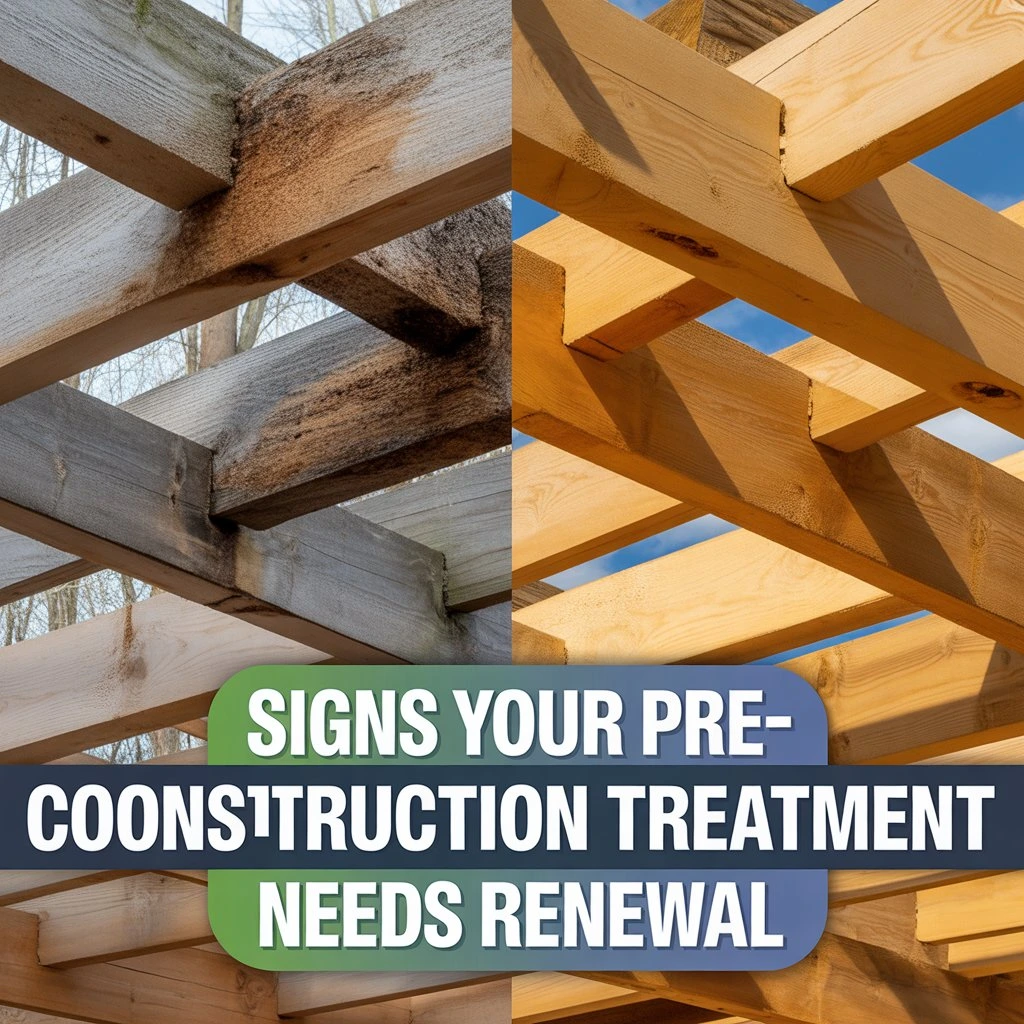
Signs Your Pre-Construction Treatment Needs Renewal
Physical Warning Signs
Certain physical signs around your home are clear indicators that your termite barrier may have weakened or failed. Mud tubes running along the foundation walls are one of the most reliable signs of active subterranean termite activity. Visible termite swarmers — winged termites emerging inside or around your home during spring — signal that a colony is actively searching for new entry points. Additionally, hollow-sounding wood when tapped is a strong indicator that termites have already begun feeding inside structural timber undetected.
Time-Based Warning Signs
Even without visible termite activity, time itself is a warning sign. If your pre-construction chemical treatment is 7 to 10 years old, it is approaching or has already exceeded its effective lifespan, and renewal should be seriously considered. Major environmental changes such as flooding, heavy storm activity, or significant landscaping work near the foundation can also accelerate chemical breakdown well ahead of the expected renewal timeline.
Signs Requiring Immediate Professional Inspection
Some signs go beyond routine renewal and demand immediate professional attention. These include discovering live termites, discarded wings near windowsills or door frames, or frass (termite droppings) inside the home — all of which are active infestation indicators. Structural damage signs such as buckling floors, warped door frames, or visibly damaged wood beams should never be ignored, as they suggest termites have been active inside the structure for an extended period.
How to Prevent Termites After Pre-Construction Treatment
Even the most effective pre-construction termite treatment requires ongoing preventive habits to maintain long-term protection. Here is what every homeowner should do:
Annual Professional Inspections
Schedule a licensed pest control professional to inspect your property every year. Annual inspections catch early signs of termite activity before they develop into costly infestations and also ensure your existing treatment barrier remains intact and effective.
Self-Inspections Every 3–6 Months
Between professional visits, conduct your own visual inspections every 3 to 6 months. Check foundation walls, crawl spaces, wooden structures, and soil-contact areas for mud tubes, frass, or any signs of termite activity.
Fix Leaks and Moisture Problems Promptly
Termites are strongly attracted to moisture. Leaking pipes, roof leaks, and poor ventilation create damp conditions that draw termites directly toward your structure. Address any moisture issues immediately to eliminate one of the biggest termite attractants.
Improve Site Drainage
Ensure water drains away from your foundation at all times. Poor drainage causes water to pool near the base of your home, saturating the soil and accelerating the breakdown of chemical barriers while simultaneously attracting subterranean termites.
Keep Wood Debris Away From Foundation
Never store firewood, lumber, mulch, or wooden debris directly against or near your foundation. Wood-to-soil contact near the structure gives termites a direct bridge past your chemical barrier and straight into your home.
Maintain and Avoid Disturbing Chemical Barrier
Avoid unnecessary digging, drilling, or landscaping work close to your foundation. Any physical disturbance to the treated soil zone breaks the chemical barrier and creates entry points for termites. Always inform contractors about your termite treatment before any ground work begins.
Seal Cracks and Gaps in Structure
Regularly inspect and seal any cracks in your foundation, walls, and around utility entry points. Even small gaps provide termites with easy access into the structure, bypassing your barrier treatment entirely.
Install Termite Monitoring Stations
Place termite monitoring bait stations around the perimeter of your home as an early warning system. These stations detect termite activity before it reaches the structure, giving you time to take action before an infestation takes hold.
Warranty Terms and Annual Inspections
Types of Termite Treatment Warranties
Termite treatment warranties generally come in two forms. A re-treatment warranty covers the cost of reapplying termiticide if termites are discovered after treatment, while a repair warranty goes a step further by also covering the cost of repairing any structural damage caused by termites during the warranty period. Repair warranties offer significantly stronger protection and are worth the additional investment, particularly in high-termite-pressure regions.
Why Annual Inspections Keep Your Warranty Valid
Most termite treatment warranties require annual professional inspections as a condition of keeping coverage active. Skipping even a single inspection can void your warranty entirely, leaving you fully responsible for both retreatment and repair costs. Beyond keeping your warranty valid, annual inspections protect your long-term investment by catching treatment failures or termite activity early — before minor issues escalate into major and expensive structural damage.
Frequently Asked Questions
What Factors Affect the Duration of Termite Treatment?
Several factors impact treatment longevity, including soil type and porosity, rainfall and humidity levels, quality of professional installation, building construction practices, and any post-construction human disturbance such as landscaping or plumbing work near the foundation.
Can Termite Treatment Be Reapplied if Needed?
Yes. Chemical soil barriers can be reapplied once they approach the end of their effective lifespan or if the barrier has been physically disturbed. A licensed pest control professional can assess whether partial retreatment or a full reapplication is required based on current soil and structure conditions.
Is Annual Termite Treatment Necessary After Pre-Construction Treatment?
Annual full retreatment is not always necessary; annual professional inspections are essential. Inspections ensure your existing barrier remains intact, catch early signs of termite activity, and keep your termite warranty valid and active.
How Do I Know if My Termite Treatment Is Still Effective?
Signs that your treatment may no longer be effective include mud tubes near the foundation, visible termite swarmers, hollow-sounding wood, or a chemical treatment that is 7 to 10 years old. A professional inspection is the most reliable way to assess your current protection level.
What Is the Longest Lasting Termite Treatment?
Physical barriers such as stainless steel mesh and granite particle systems are the longest-lasting termite treatment option, with a lifespan of 20 to 50 years. Borate wood treatments also offer permanent protection for the lifetime of the treated timber when properly applied during the framing stage.
Final Thoughts
Pre-construction termite treatment lifespan ranges from 5 to 10 years for chemical barriers, 20 to 50 years for physical barriers, and a lifetime for borate wood treatments. Professional application and annual inspections are the two most critical factors in maintaining long-term protection. Don’t wait for visible damage — schedule a licensed termite inspection today and keep your home protected for years to come.
Related Post